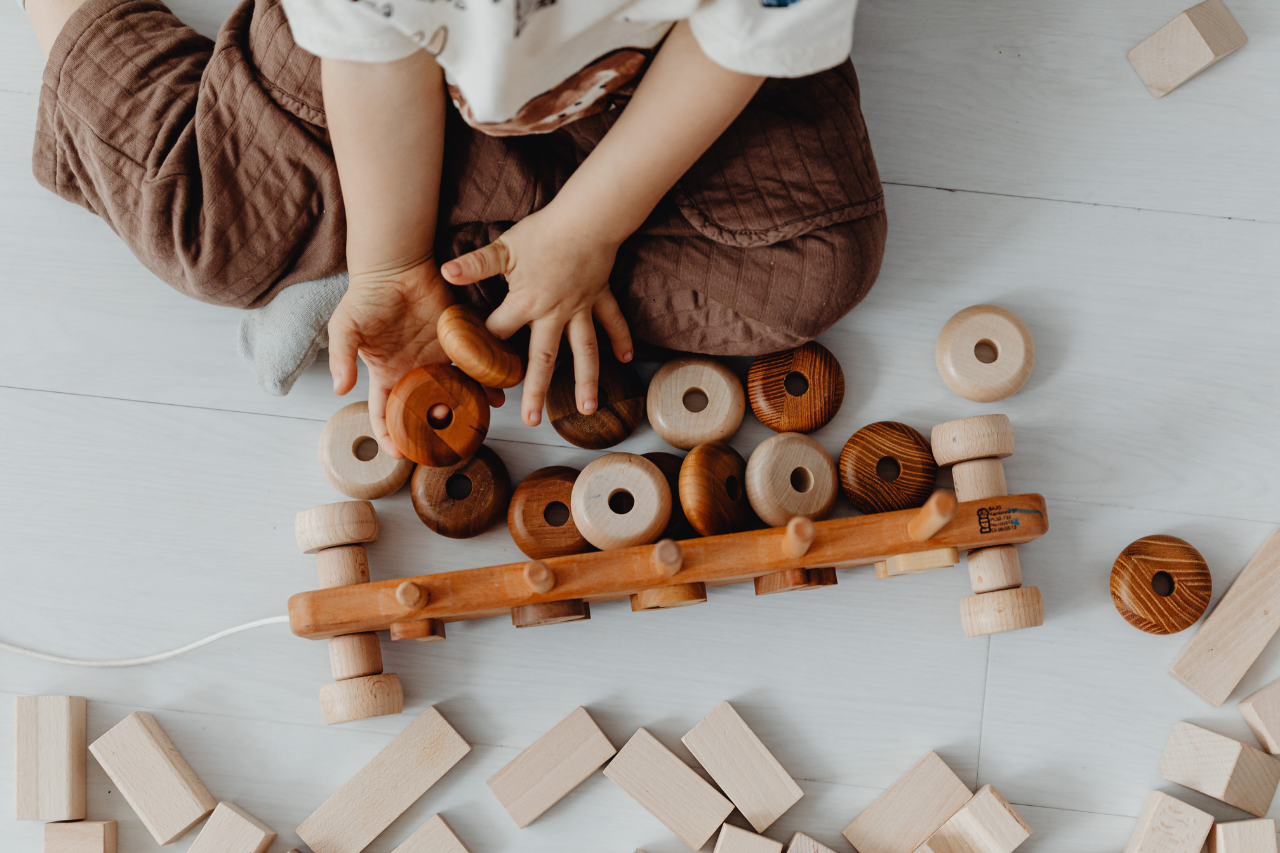

Play is a child’s work. It is through play that toddlers and young children explore the world,
develop critical thinking skills, learn to solve problems, and express their imagination. At Gigi’s
Cuddle Corner, we understand that the right environment and approach can maximize the value
of playtime, helping children stay engaged while building essential skills. One strategy that
parents and caregivers can use to boost creativity, focus, and enjoyment is implementing a toy
rotation.
A toy rotation is exactly what it sounds like: instead of giving children access to all their toys at
once, a selection of toys is made available while the rest are stored away. Every few days or
weeks, the toys are swapped, providing a fresh set of options. This simple approach has
numerous benefits for both children and families, from reducing clutter to inspiring new forms of
play.
Encourages Imaginative Play
When children have too many toys available at once, it is easy for them to become
overwhelmed or distracted. They may bounce quickly from one toy to another, rarely fully
engaging with any single activity. A toy rotation reduces the number of options and encourages
children to explore the toys in depth.
With a smaller selection of toys, toddlers and young children are more likely to invent new
scenarios, combine different playsets, and experiment creatively. Blocks, figurines, and art
supplies can be used in multiple ways when the child’s focus is not divided across dozens of
options. This concentrated play strengthens problem-solving skills, imagination, and storytelling
abilities.
Prevents Toy Fatigue
Even the most beloved toys can lose their appeal if children see them every day. Toy fatigue can
lead to frustration, boredom, or less meaningful engagement during playtime. By rotating toys,
parents can reignite a sense of novelty and excitement without buying new items.
When a toy that has been out of sight is reintroduced, it feels fresh and new. Children often
approach familiar toys differently after a break, finding new ways to play and explore. This
approach makes the existing toy collection more valuable and supports sustainable and mindful
play habits.
Supports Focus and Attention
A toy rotation can help children build concentration. With fewer toys available at once, children
are less likely to be distracted by the sheer number of choices. They can dedicate more
attention to each activity, learning to complete projects, experiment with new ideas, and engage
in extended play sessions.
Focused play has a ripple effect on other areas of development. Concentration, patience, and
perseverance are all skills that benefit from the ability to stay engaged with a task. Rotating toys
helps children practice these skills naturally, through enjoyable and meaningful play.
Encourages Problem-Solving Skills
When toys are rotated, children often encounter them in new contexts or combinations. A toy
that was previously paired with certain materials may be combined with others, inspiring creative
problem-solving. For example, blocks previously used to build towers may be incorporated into
pretend play with figurines or used to create obstacle courses.
This type of experimentation strengthens critical thinking and flexibility. Children learn to
approach problems from different angles, try new solutions, and adapt to changing scenarios.
Rotating toys can transform a familiar set of items into a dynamic learning experience,
supporting cognitive development.
Reduces Clutter and Stress
A toy rotation can simplify the home environment for both children and parents. Instead of facing
a cluttered playroom with every toy accessible, a curated selection of toys is available at a time.
This organization reduces stress, makes cleanup easier, and creates a more calming
environment for play.
For parents, managing a smaller set of toys is less overwhelming. It becomes easier to observe
children during play, facilitate engagement, and guide learning experiences. For children, a
clean, well-organized play space fosters a sense of security and comfort, allowing them to focus
on exploration without distraction.
Promotes Gratitude and Mindful Play
When children are used to having everything available at once, they may take toys for granted.
Toy rotations teach children to value what is available and anticipate what is coming next. Each
toy becomes more special and meaningful when it is reintroduced after a break.
This sense of novelty encourages mindful play. Children pay closer attention to textures, colors,
mechanics, and possibilities. They may discover hidden aspects of the toys, invent new games,
and engage more deeply with the play experience. Mindful play strengthens observation,
attention to detail, and cognitive awareness.
Facilitates Skill Development Across Categories
Toy rotations allow parents to intentionally select toys that target different areas of development.
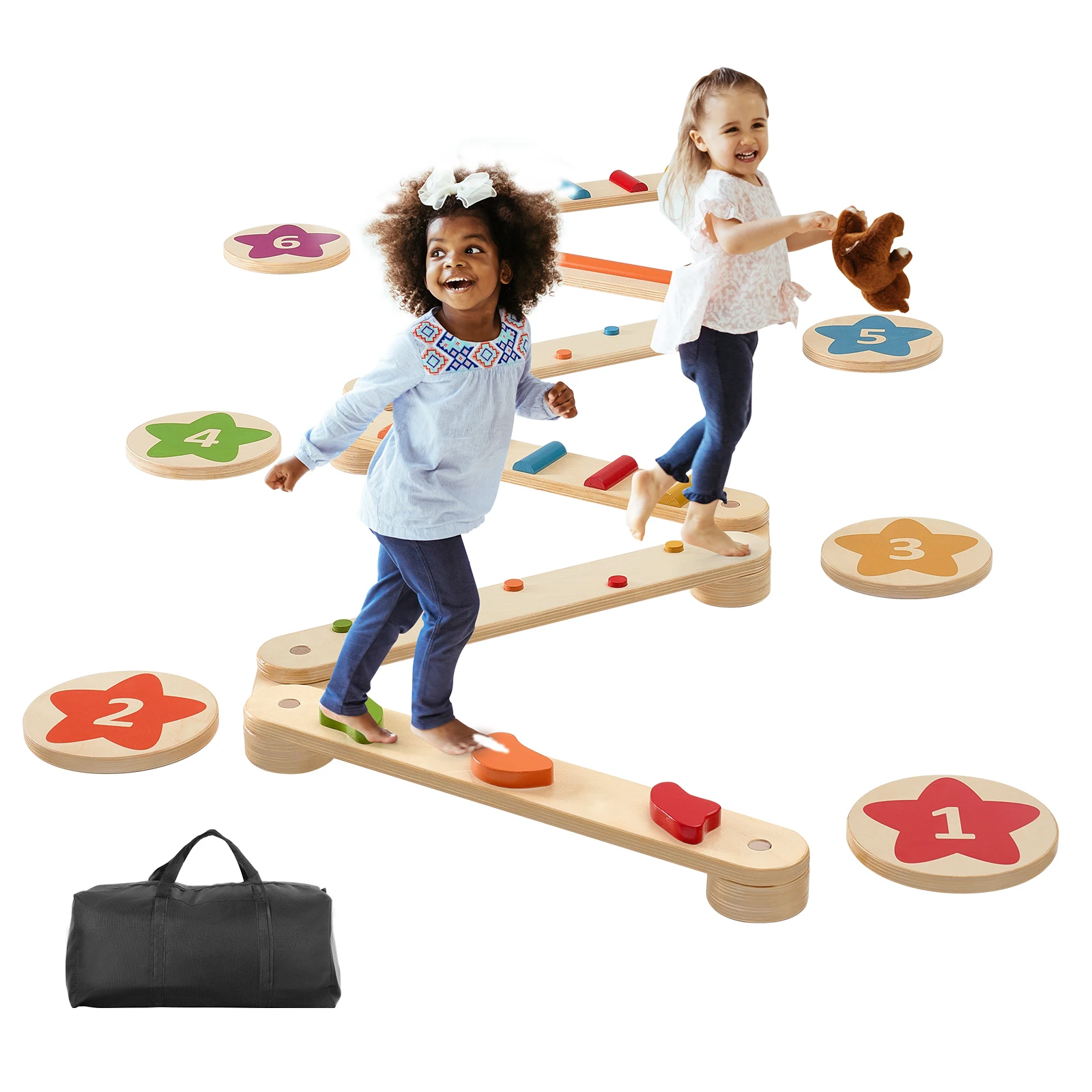
For example, one rotation might focus on gross motor skills with climbing structures, balls, or
ride-on toys. Another rotation could emphasize fine motor skills, including building blocks, art
supplies, or puzzle pieces.
By thoughtfully curating each set, parents can ensure children are exposed to a variety of
activities that support physical, cognitive, social, and emotional growth. Over time, children
develop well-rounded abilities while exploring a wide range of play experiences.
Encourages Independent Play
Independent play is a crucial part of early childhood development. It helps children practice
self-regulation, decision-making, and creativity. A toy rotation encourages children to engage
with the available toys on their own. With fewer options, children are more likely to explore
independently, create their own narratives, and practice problem-solving without constant
guidance.
Rotated toys also prevent over-reliance on adult direction. Children learn to generate ideas and
entertain themselves, which builds confidence and autonomy. Independent play is not only
valuable for skill development but also allows parents to engage in other activities while knowing
their children are occupied in meaningful ways.
Provides Opportunities for Social Play
Toy rotations can also enhance social play, particularly in households with multiple children or
during playdates. Rotated toys can be introduced in shared play sessions, encouraging
collaboration, communication, and teamwork. Children learn to negotiate roles, share resources,
and co-create stories or games.
Rotating toys keeps social interactions fresh and engaging. New toys or combinations
encourage creative problem-solving and imaginative scenarios that children can explore
together. These experiences foster social skills, empathy, and cooperative play.
Practical Tips for Implementing a Toy Rotation
1. Start Small: Begin with a subset of toys and rotate them every few days or weeks. Avoid
overwhelming children with too many options at once.
2. Store Thoughtfully: Keep the remaining toys out of sight in bins, boxes, or shelves.
Make sure storage is easy to access for rotation purposes.
3. Mix Categories: Include a balance of open-ended toys, puzzles, building materials, and
pretend play items in each rotation.
4. Observe and Adjust: Watch how children engage with each rotation. Rotate more or
less frequently depending on interest levels.
5. Involve Children: For older toddlers, let them help select toys for rotation. This fosters
ownership, decision-making, and engagement.
Conclusion
A toy rotation is a simple yet highly effective strategy for inspiring play and creativity in toddlers
and young children. By providing a curated selection of toys, parents can encourage imaginative
play, focus, problem-solving, and independent exploration. Rotations reduce clutter, prevent toy
fatigue, and help children approach play mindfully while learning valuable skills.
At Gigi’s Cuddle Corner, we believe that playtime should be joyful, engaging, and
developmentally supportive. Implementing a toy rotation is a practical way to maximize the
potential of your child’s existing toys while nurturing curiosity, creativity, and independence. By
rotating toys thoughtfully, you can transform ordinary play sessions into opportunities for growth,
discovery, and lasting memories—one rotation at a time.
